
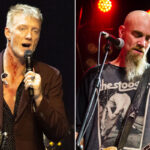
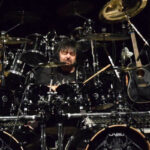
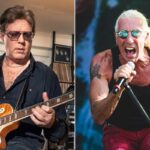



GWAR’s rhythm guitarist, Mike Derks, recently shared details about a controversial incident where police arrested the band’s late vocalist, Dave Brockie, during a show in Charlotte, North Carolina. He discussed this on the Garza Podcast.

The arrest occurred during a period when censorship in music was becoming a major issue, particularly during the PMRC hearings. When asked about the band being thrown into the censorship debate, Derks explained the circumstances that led to the dramatic police intervention.
“Actually, Dave Brockie (late vocalist) got arrested like the police came like in North Carolina in Charlotte,” Derks said. “It was the time that the PMRC was all those hearings were going on. They started saying, ‘Okay, this music is getting out of hand and it’s becoming pornographic and it needs to be rated like movies. Children shouldn’t be able to hear certain things.’ They had a bunch of hearings.”
The increased legal scrutiny led to undercover police attending GWAR performances to monitor their content.
“They started being like more a lot more legal present presence at shows and they heard about what we did and they were like sent the police and undercover cops there,” Derks continued. “And so they saw the show and we had a scene where there’s a priest who gets like cross shoved up his ass. So they said, ‘Nope, that’s it. That’s pornographic.’ And so they took Dave and arrested him, threw him in jail after the show.”
The legal consequences were particularly serious due to Brockie’s citizenship status.
“But we he had to plead guilty because Dave was a Canadian citizen,” Derks explained. “They were threatening him with being deported. So he pled to a misdemeanor of disseminating obscenities in front of minors. And so we got a fine and they let him go.”
The 1990 incident at Charlotte’s 4808 Club became one of the most notorious moments in GWAR’s history. It also became a defining case in the era’s music censorship battles.
Michael Plumides’ account detailed that Brockie was arrested on felony charges of “disseminating obscenity” for simulating various graphic acts on stage during the band’s Scumdogs of the Universe tour. The arrest occurred after the Charlotte-Mecklenburg Vice Squad responded to the performance, which included controversial stage props and simulated acts that authorities deemed obscene. The band had reportedly been asked by the club to tone down their act but deliberately ignored the request, staying true to GWAR’s ethos of pushing boundaries and provoking reactions.
The arrest drew national attention and became a flashpoint in the broader conversation about artistic freedom versus censorship. Wikipedia reported that Brockie faced possible deportation as a Canadian citizen but ultimately received a one-year ban from North Carolina instead. The charges were eventually reduced from felonies to misdemeanors. The infamous stage props were confiscated as evidence and later became part of both legal records and GWAR mythology.
The incident had lasting cultural impact beyond the courtroom. GWAR’s discography showed that the band incorporated the Charlotte arrest into their artistic narrative, most notably in the album America Must Be Destroyed and the film Phallus in Wonderland, which centered around the “Morality Squad” attacking GWAR. The arrest remains celebrated in punk and metal subculture circles as a victory for outrageous artistic expression against mainstream moralism.
Brockie later reflected on the absurdity of “getting arrested for making art.” The event continues to exemplify GWAR’s commitment to provocation and satire. The Charlotte incident stands as a defining moment from the PMRC era, illustrating the tension between radical performance art and conservative legal responses during the late 1980s and early 1990s moral panic over music content.


