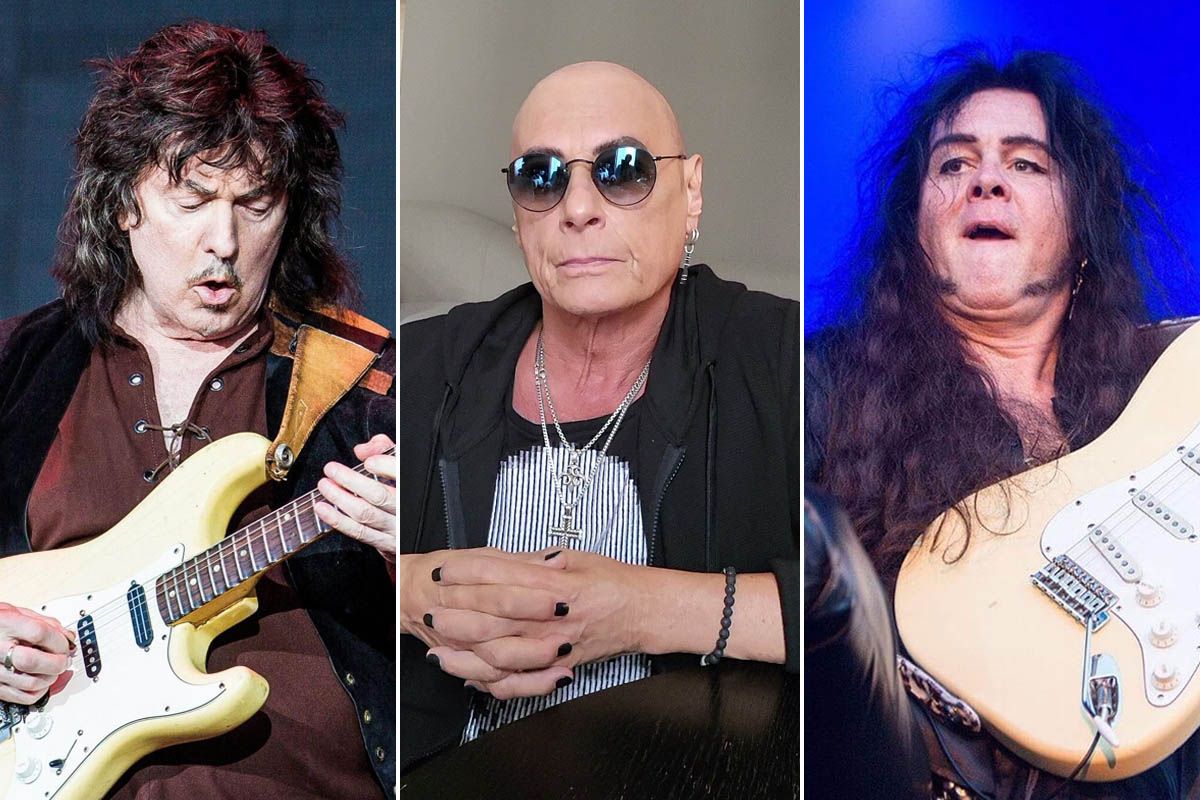






Papa Roach frontman Jacoby Shaddix shared his views on Andrew Tate’s influence over young men in a recent interview with the Los Angeles Times.
“Masculinity is a spectrum, and I think because it swung one way, it’s swinging the other way to an extreme,” Shaddix explained when asked why he thinks some young guys like Andrew Tate. “The whole thing of toxic masculinity — I mean, there is that out there, but not all masculinity is toxic.”
“Let’s just be real with each other. Social media has become this thing where some voices get really loud, and so everybody goes, ‘Oh, that’s what masculinity is — that’s terrible,'” he continued. “F— off with that. We gotta toughen up a little bit. I think us as a people might have gotten a little too soft for a minute. Pulling up your bootstraps and spraying some tough on it is important.”
Educational and social circles have expressed growing concern about the influence of controversial figures on young men through social media platforms.
A report from Education Week revealed that Tate maintains substantial influence among young men, particularly preteen boys. His content spreads through fan clips and reposts despite platform bans, reaching vulnerable audiences during their developmental stages.
Studies by University of Birmingham researchers highlighted Tate’s specific appeal. His message resonates strongly with young men who are forming their identity and understanding masculinity in modern society.
The research emphasized preteen boys’ vulnerability to these types of influencers. Young men often connect with content that positions them as central figures in society. This connection persists regardless of the messaging’s controversial nature.
Tate’s social media influence continues despite his current legal challenges. He faces charges of rape and human trafficking in Romania. This situation demonstrates the complex relationship between online influence and real-world consequences.