






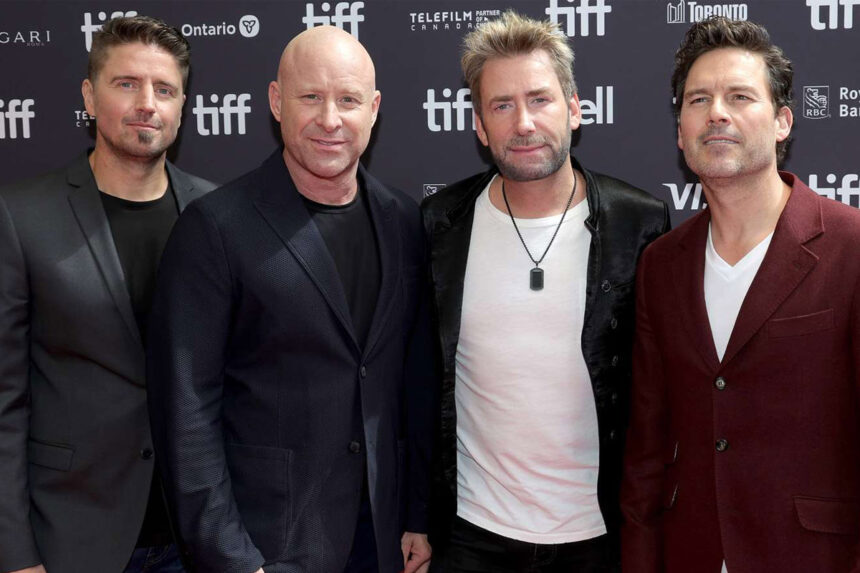
Nickelback bassist Mike Kroeger recently opened up about the band’s music catalog. He addressed speculation around its value in an interview shared on Audacy.

Kroeger responded to rumors that Nickelback’s catalog was worth around $200 million. He revealed that the band had already quietly sold 80% of it, effectively confirming its value through the transaction itself.
“Well, we found out how much it’s worth, ’cause we did sell 80% of it,” Kroeger said. “We did that a couple of years ago.”
He went on to reflect on the broader process of assigning a monetary value to a body of creative work, describing it as an unusual but ultimately rewarding experience.
“It is an interesting thing to try to assign a value to something like that,” he continued. “It’s very interesting. It was a really, really peculiar and interesting process, but we got a good partner and we’re real happy with how it went.”
Kroeger’s comments come amid a wider industry trend of artists selling their publishing catalogs and master recording rights. The practice has gained significant momentum in recent years.
The deal is notable not only for its scale but also for what it covered. The sale included recorded music rights — not just publishing — making it a comprehensive transaction. It handed a majority stake in Nickelback’s full body of work to an outside partner.
Nickelback remains one of the most commercially successful rock bands of the 2000s. Their extensive run of multi-platinum albums and radio hits gave their library the kind of proven, revenue-generating track record that catalog buyers look for. That commercial legacy helped attract serious investor interest and made the valuation process, while unusual, a competitive one.
Catalog acquisitions in the rock space have become increasingly competitive. Investors view established hit libraries as stable, long-term assets in an era dominated by streaming royalties. Major deals involving legacy artists have normalized the practice, and mid-career bands with strong back catalogs have followed suit — treating their music rights as a financial asset rather than simply a creative legacy.
For Nickelback, the decision appears to have been a deliberate and well-considered one. Kroeger’s remarks suggest the band took their time finding the right partner, prioritizing the terms of the relationship as much as the financial outcome.


