





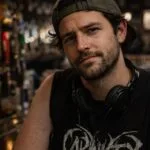

Machine Gun Kelly opened up about the grueling physical and emotional experience behind his massive blackout tattoo in a cover story interview published by Billboard.

The artist discussed how the tattoo — which covers the majority of his upper body — became more than a cosmetic transformation. He described the deep personal meaning behind the process and the serious health complications it triggered.
“I saw death and drugs in all these patterns that I was literally writing on my body,” he said. “There were happy tattoos, sad tattoos, holy tattoos, hellish tattoos. It was like my bipolarity was screaming off my skin. The tattoo artist warned me that it was going to be near impossible, even from a pain tolerance standpoint. I said, ‘yeah, we got two months.'”
The process quickly took a toll on his body, with the physical effects becoming severe within the first week.
“After the first week, we hit my lymph nodes around my armpits and shoulders, and I got really sick,” he continued. “My skin was turning yellow. I wasn’t able to sleep. I stopped being able to move certain parts of my upper body.”
Despite the hardship, Machine Gun Kelly described the experience as ultimately transformative.
“I came out the other side extremely inspired,” he said. “Not just because of what I had done, but because of what I had to overcome.”
The full interview is available on Billboard’s website.
The revelation adds new detail to a transformation that first caught public attention back in 2024, when MGK debuted the striking look and sparked widespread conversation about the physical and psychological demands of such an extreme body modification.
The Mirror reported that the tattoo artist had originally advised completing the design over the course of two years. MGK chose to compress that timeline into just two months, dramatically increasing the physical strain on his body.
The symptoms MGK described — including yellowing skin, insomnia, and loss of mobility in his upper body — emerged after the tattooing process reached the lymph node areas around his armpits and shoulders, suggesting the body’s immune response was significantly affected by the prolonged sessions, as The News International noted.
AOL pointed out that no specific medical diagnosis — such as jaundice or a lymph-node disorder — has been confirmed. The account remains based entirely on MGK’s own description of the symptoms he experienced during and after the process.
Digital Noise highlighted that MGK has described the tattoo — sometimes referred to as his “dark mode” look — as a reflection of his mental and emotional state. The extreme nature of the process mirrored the intensity of what he was working through personally at the time.
The story has drawn significant attention across media outlets this week. Many highlighted the risks associated with rushing large-scale blackout tattoo work and the physical toll it can take on the body when compressed into an accelerated timeframe.


