
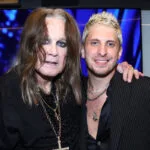





Justin Hawkins has continued his criticism of Yungblud. He offered further commentary on the young musician’s connection to Ozzy Osbourne in a recent interview with Classic Rock.

Hawkins elaborated on his concerns regarding the artist’s musical direction and production choices following his earlier remarks about Yungblud’s performance at the VMAs.
“We said [called it a] ‘bit shit’ [because of the] auto-tune that was being run in real time. If the future of rock comes from musical theatre and Disney, if this is Ozzy’s heir, we’re in trouble,” Hawkins explained.
This latest comment reflects a broader concern within the rock community about the direction of contemporary music. It also highlights the role of modern production techniques in shaping the genre’s future.
Justin Hawkins backed up his brother Dan’s earlier criticism of Yungblud’s Ozzy Osbourne tribute at the MTV Video Music Awards, as reported by Ultimate Guitar. The brothers specifically pointed to the audible auto-tune used in real time during the performance as undermining the song’s integrity. They framed the incident as symptomatic of a wider trend where the future of rock is being shaped by pop and entertainment industry mechanisms rather than traditional rock values.
Hawkins’ perspective, detailed in Ultimate Guitar, suggests that if rock’s future depends on auto-tune to carry a song, this represents a worrying sign for the genre’s artistic direction and authenticity. This perspective highlights a generational divide in how rock music is being produced and consumed in the modern era.
The criticism has sparked broader discussions within music circles about the balance between contemporary production techniques and traditional rock aesthetics. While some commentators defend contemporary artists’ blending of pop production with rock elements as part of natural genre evolution, others share Hawkins’ concerns about the potential dilution of rock’s core identity through heavy reliance on digital enhancement and theatrical presentation.