
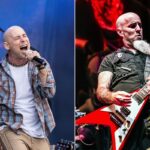


Roddy Bottum, keyboardist for Faith No More, recently commented on the band’s 1997 tour lineup, addressing the decision to have Limp Bizkit as an opening act in an interview shared on Alternative Nation.

When asked about his memories of the 1997 tour where Limp Bizkit opened for Faith No More, Bottum reflected on his lack of involvement in the band selection process at that time.
“I didn’t know about them. At that point, I was sort of dealing with a lot of problems in my own life, and I didn’t really take a role in choosing – or helping to choose – the bands that were opening up for us. Which is a shame,” Bottum said.
The keyboardist went on to express regret about the band’s passive approach to such decisions. He ultimately questioned the appeal of the nu-metal group.
“I think at some point, it gets easy to let people make those decisions for you. And shame on us and shame on me that we let that decision be made for us. Because who wants to see Limp Bizkit play?” he continued.
Bottum’s comments reflect a pivotal moment in both bands’ careers. The 1997 tour was known as the Album of the Year tour, according to Wikipedia. This tour would ultimately become Faith No More’s final tour before their original breakup in April 1998. The timing made the tour particularly significant in rock history, as it marked the end of an era for the influential band.
At the time, Limp Bizkit was still in the early stages of their career. The band used opening slots on major tours to build their audience within the emerging nu-metal scene. Per Wikipedia, Limp Bizkit was notably influenced by Faith No More’s innovative blend of rock and rap metal. This made the pairing somewhat natural despite Bottum’s apparent unfamiliarity with the band at the time.
The irony of Bottum’s current dismissal is striking. Limp Bizkit would go on to become one of the defining acts of the nu-metal movement, achieving massive commercial success in the late 1990s and early 2000s. Concert Archives documents multiple Faith No More and Limp Bizkit tour dates from 1997, showing several stops where the bands performed together during that pivotal year.
Bottum’s reflection underscores a broader theme about artistic decision-making and the consequences of delegating creative control. His candid admission reveals that the band allowed others to make tour lineup choices without their input. This shows the internal dynamics of Faith No More during a turbulent period. The keyboardist’s regret suggests that had the band been more actively involved in their tour lineup decisions, they might have made different choices. Whether that would have altered the trajectory of either band remains a matter of speculation.


