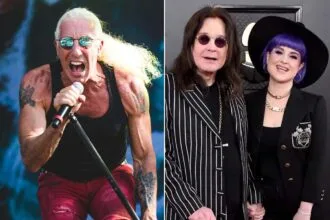





W.A.S.P. frontman Blackie Lawless discussed cancel culture in a recent interview with Goodstock.

“I don’t spend a lot of time there [social media], so I really don’t know a lot about it, but from what I hear, the concept of being able to cancel people, that’s a scary thought,” Lawless said. “If you have someone like me — I don’t care what you say about me; I just don’t care.”
“The majority of the world is not like that; they’re very sensitive to what other people think. And so someone like that would be easy to cancel,” he continued. “Someone like myself, you cannot cancel us because we don’t care. You can only cancel someone if they care.”
“If I believe in something that I’m doing, I don’t care if somebody believes it or not. What’s important is what I think,” Lawless explained. “And I’ve spent my career telling our fans — the only thing that really matters is to think for yourself. Come up with your own ideas. Come up with your own opinions. Don’t listen to what someone next to you is telling you. Yes, you can listen, but at the end of the day, you have to decide what is right for you, and that’s really, really important. Like I said, I’ve spent my entire career talking about this one idea. So, the concept of censorship definitely fits into this.”
Lawless’s perspective on cancel culture aligns with his career-long approach to controversy and public opinion with W.A.S.P.
A report from Ultimate Classic Rock highlighted W.A.S.P.’s breakthrough moment. Their self-titled debut album reached gold status in 1984. This achievement cemented their position as a major force in the metal scene.
The band built their reputation through provocative live performances. Coverage from KMUW detailed their notorious shows. The performances featured shocking elements like raw meat and a torture rack. These elements fueled their controversial appeal in the metal community.
In conversations with Blabbermouth, Lawless reflected on his career experience. He acknowledged living in a ‘bubble’ throughout his time in the industry. This perspective helps explain his consistent indifference to public opinion.
His unwavering commitment to artistic vision has defined his leadership of W.A.S.P. This approach reinforces his current stance on cancel culture.