




Throughout music history, supergroups became a glorious melting pot of some of the world’s most iconic and influential musicians. Think of Velvet Revolver, the band that brought together members of Guns N’ Roses and Stone Temple Pilots, or Audioslave, the union of Soundgarden’s Chris Cornell and Rage Against the Machine’s Tom Morello. It’s like a dream team of rock gods coming together to make magic happen.

But here’s the thing, not all supergroups are created equal. Sure, some become legendary and change the course of music history. But let’s face it, most of them end up being a one-hit wonder, a fleeting fling that never reaches its full potential or like a shooting star that burns out before reaching the sky. It’s a shame really, but it’s not hard to see why. When you put so many big egos and personalities together in one room, it’s like trying to fit a square peg in a round hole. It’s bound to cause friction, and before you know it, the band implodes.
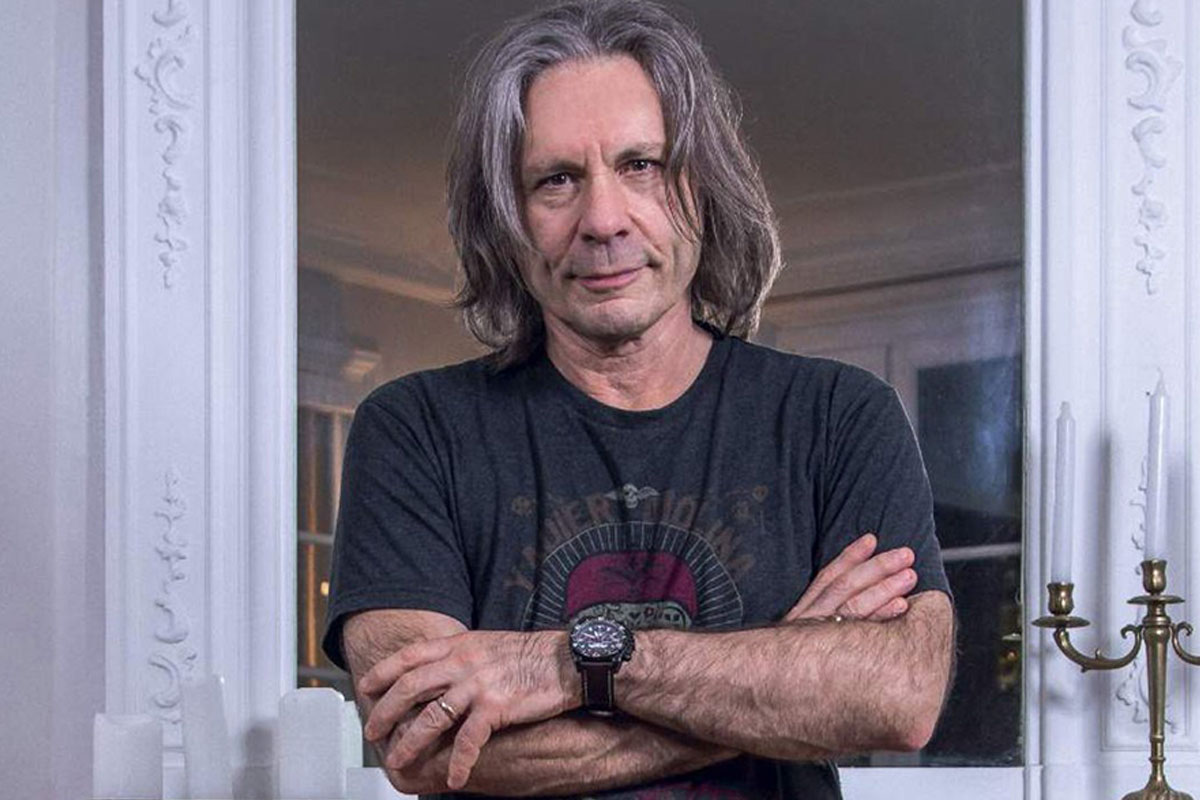
This brings us to Bruce Dickinson, the iconic frontman of Iron Maiden. Now, let’s be honest; the idea of a supergroup is pretty damn exciting. But not for Bruce. In a 2017 webchat with the fans via the Guardian, the singer said, “I just think anybody that starts off saying they’re going to be a supergroup is doomed to failure. Do things because they feel natural, and that’s not necessarily doing things with famous people.” It’s like he’s the voice of reason in a world of rockstar madness.
We don’t know if Bruce has ever been offered to join a supergroup or if he’s ever considered it. But we do know this; his words ring true. Supergroups are a double-edged sword; they can soar to the heights of rock and roll glory or crash and burn in a blaze of ego and disappointment. It’s all about chemistry and a shared vision, and as Bruce said, doing things because they feel natural. So, the next time you hear about a supergroup, remember that it’s not always sunshine and rainbows.
Plus, Bruce Dickinson is not alone in his view of supergroups. You may know, Cream was declared the first supergroup ever. In 1974, when we were just beginning to talk about the supergroup concept, Time magazine described it as a ‘potent but short-lived rock phenomenon’ and an ‘amalgam formed by the talented malcontents of other bands.’ So much time passed, and the rock scene has seen more supergroups than we can count. However, this was the fate of most of them. Indeed, we watched some great shows, but they were fueled by ‘dueling egos.’ Unfortunately, most of them perished in a great flame.