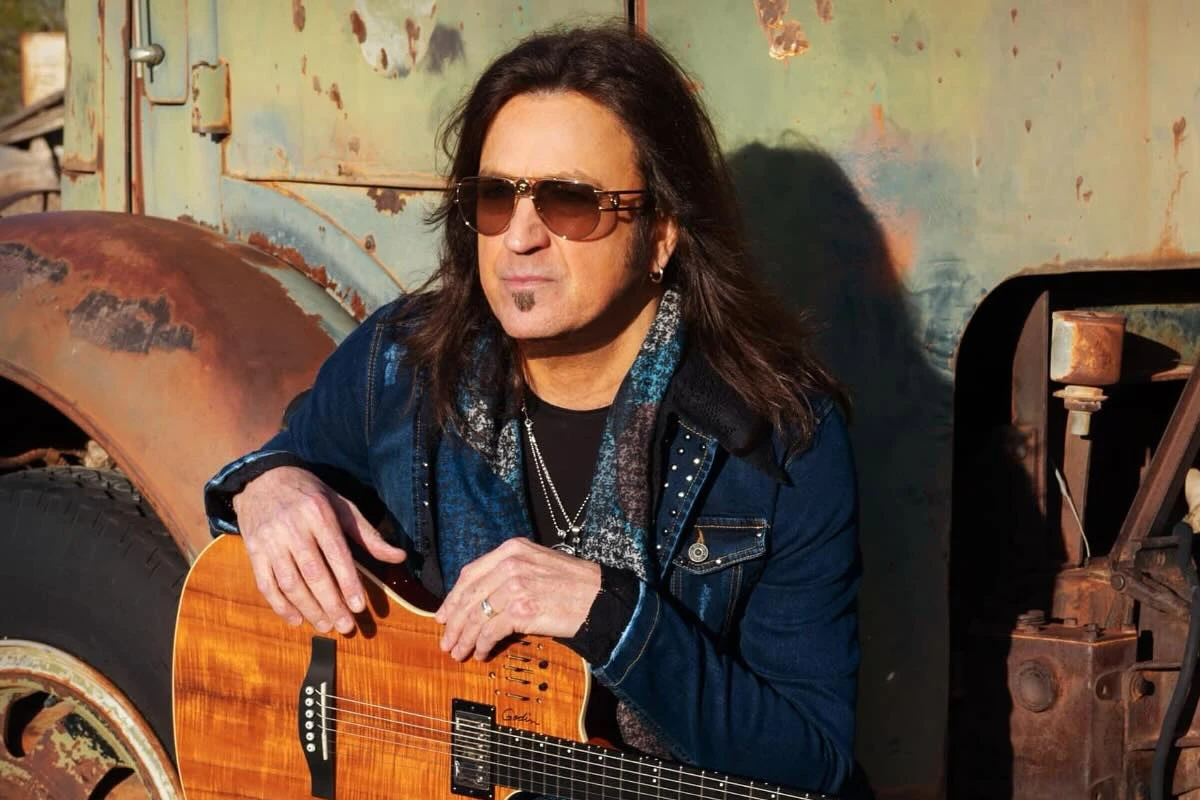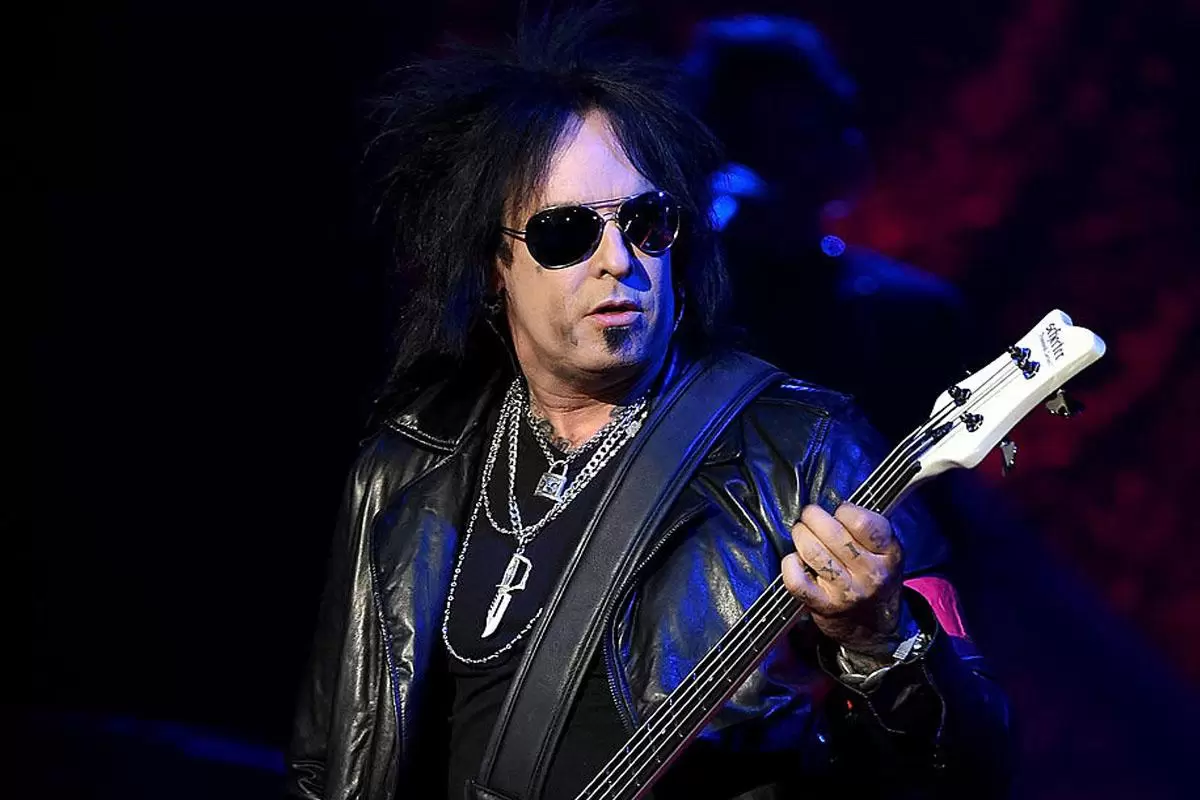



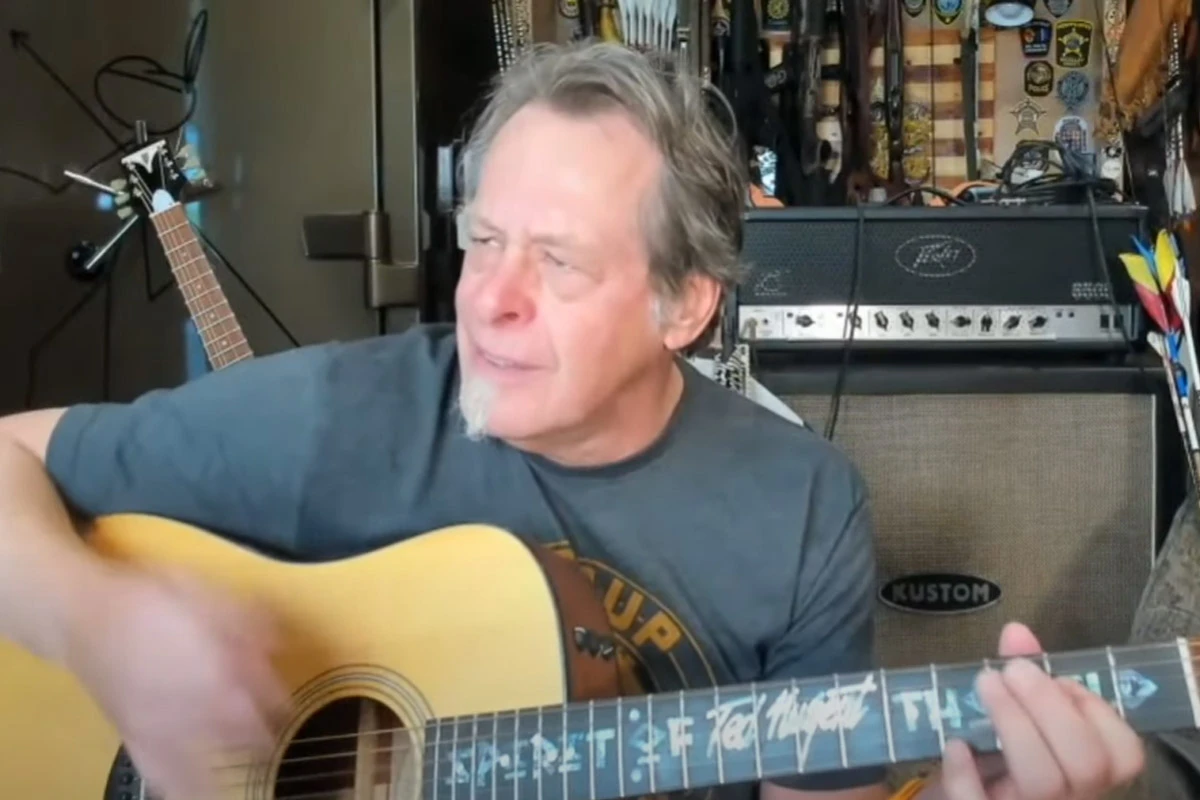
Ted Nugent revealed his struggle with record label executives over his hit song ‘Stranglehold’ in a new interview with Ultimate Classic Rock.

“Those lyrics were so pertinent because the record company didn’t think I should record it because it didn’t have a chorus,” Nugent explained. “I went, ‘Really, you don’t think I should record the song that every night the people go the most crazy about? Does f–k you ring any bells? That defiant element is what [makes the song].'”
“They told me nobody wants a bass solo,” he continued. “Well, I want a bass solo! Give me one! Well, people don’t like bass solos. I think they do! I’m going with my hunches here.”
“I broke all of the rules, but that’s one of the planets that aligned,” Nugent added. “I have the evidence from every night on stage, people going nuts for this thing, this moment, this lick. It’s only two chords and 11 minutes long. What? You can’t just play two chords for 11 minutes. Yeah? Shut the f–k up! Since you said that, watch me do it. Don’t tell me I can’t do something, because the audience goes berserk and that’s all that matters.”
Nugent’s defiance of record label expectations became a pivotal moment in his career. The song later emerged as a cornerstone of rock music history.
The story of ‘Stranglehold’ began during an impromptu jam session after an Amboy Dukes concert in 1968, as documented by Ultimate Classic Rock. Nugent developed the idea over several years before its official recording.
The song made its debut on September 8, 1975, as part of Ted Nugent’s first solo album. Documentation from historical records shows the album reached No. 28 on the Billboard 200 chart. Sales exceeded two million copies in the United States.
‘Stranglehold’ stands out for its distinctive guitar work. Producer Tom Werman created a unique duet effect using delays. The guitar solo was captured in a single take, demonstrating Nugent’s technical mastery and innovative recording approach.
The song’s influence has extended far beyond its initial release. Industry sources note its use as entrance music for NHL’s Chicago Blackhawks and other athletes. Guitar World magazine has recognized it for featuring one of the greatest guitar solos of all time.