

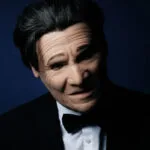




Ronnie Radke has fired back at a fan who criticized the inclusion of Falling in Reverse alongside Sleep Token and Ghost in Live Nation’s recent report about heavy rock and metal’s growing live music presence. He responded with a statement shared on X (formerly Twitter).

Live Nation published a report titled “Heavy Rock and Metal Live Music is Bigger Than Ever.” The report featured bands like Falling in Reverse, Sleep Token, and Ghost as examples of the genre’s success.
A fan’s critical comment sparked Radke’s response. The fan stated: “Don’t put Falling In Reverse and Sleep Token (and Ghost) in the same sentence ever again!”
Radke quickly defended his band’s commercial success in his characteristic direct style.
“Yeah, because I out stream and sell both of them,” Radke said. “So put me in the first category, you f*cking loser.”
The exchange highlights ongoing debates within the rock and metal community about band comparisons and commercial success metrics.
Radke’s confidence in his band’s streaming performance has substantial backing in their commercial achievements. Mabumbe reported that Falling in Reverse’s hit “Popular Monster” topped Billboard’s Mainstream Rock Songs chart. This success cemented the band’s position in the streaming landscape and helped establish Ronnie Radke as one of the genre’s most versatile frontmen.
The frontman’s career has been marked by significant industry recognition that supports his claims about commercial success. Gigwise noted that Radke was named Vocalist of the Year by Alternative Press in 2012. He also received recognition from major publications, including Kerrang and Revolver Magazine, throughout his career.
The broader context of Live Nation’s report reflects the diversifying landscape of heavy rock and metal music. Wikipedia documented that Sleep Token has gained significant acclaim for their unique blend of metal, ambient, and alternative music. This contributes to the wider heavy rock and metal scene’s diversity that Live Nation highlighted in their analysis.
This commercial rivalry occurs within an expanding market where different subgenres and artistic approaches coexist. The Live Nation report that sparked this debate illustrates how the heavy rock and metal market continues to grow across various styles and bands. This reflects broadening fan interests and evolving streaming trends in the live music sector. These factors make direct comparisons between bands with different approaches increasingly complex.