



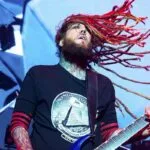
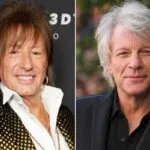


Richie Kotzen shared his experience about almost joining Nine Inch Nails in an interview with Hot Metal Magazine.

“The closest band that I ever came to joining was Nine Inch Nails – and nobody knows that,” Kotzen said. “I was friendly with the bass player from Marilyn Manson, who was playing in Nine Inch Nails. He said to me, ‘Listen, you’ve got to come down – we’re having a hard time finding a guitar player.’ So I went down to Third Encore [a rehearsal studio in North Hollywood], and I spent the day.”
“Trent told me, ‘You’re by far the best guy that we’ve tried, love to have you in the band. I’m going to have my manager reach out to you,'” he continued. “I left that day thinking, ‘Wow, OK, I’m going to join another band!'”
“A week went by. Then another week went by,” Kotzen explained. “I ran into Jeordi and said ‘what happened?’ Basically he [Reznor] said he didn’t want to open up Rolling Stone magazine and see ‘Nine Inch Nails gets former Poison guitar player Richie Kotzen’. He didn’t want the association with a hair metal band in that camp.”
Genre associations proved capable of impacting career trajectories in the music industry, even for highly skilled musicians.
Guitar Coach Magazine highlighted Kotzen’s reputation as a versatile guitarist. His distinctive style blends elements of rock, blues, and fusion.
Kotzen’s musical journey extended far beyond his time with Poison. Guitar World noted his technical mastery of fast organic legato and innovative pentatonic scales. These skills set him apart in the guitar community.
His career evolution continued through multiple successful projects. MusicRadar documented his membership in notable bands like Mr. Big and The Winery Dogs. These achievements demonstrated his ability to cross genre boundaries.
The Nine Inch Nails episode marked a significant intersection of musical worlds. It highlighted how 1990s alternative scene preconceptions about musical backgrounds could shape major career opportunities.


