



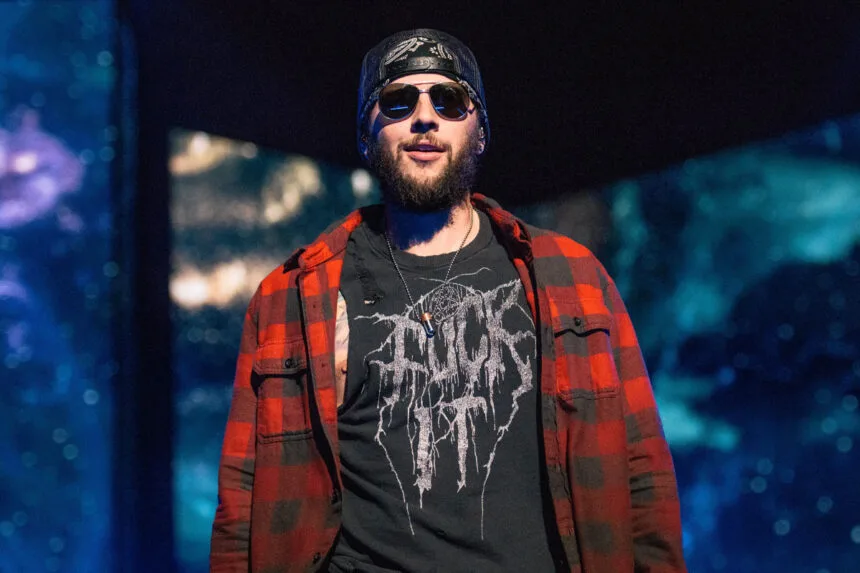
Avenged Sevenfold singer M. Shadows has opened up about the band’s decision to go fully independent. He shared his candid thoughts in a conversation featured on Prince St. Pizza.

Shadows addressed the band’s completed deal with Warner Records and explained why he believes signing with a major label no longer makes sense in today’s music industry.
“We did eight records with [Warner], and then we are done with record labels,” Shadows said. “So we’re a fully independent band now. Three years ago was our last album we had to do with [Warner], and then because of the way the music industry is now, we just don’t see a point of ever being on a label again.”
The frontman went on to detail what he sees as the diminishing value labels bring to artists in the current landscape.
“They really can’t do much for you,” he continued. “They’ll tell you they can do a lot, but they can’t. There’s no radio that matters. There’s no MTV. They’re gonna try to get you on TikTok, which everyone can do themselves. In my opinion, they don’t bring anything extra [to the table].”
Shadows also reflected on what labels historically offered artists — and why those advantages no longer apply.
“Well, they’d give you an advance. You had no money, so they’d give you money to record a record,” he explained. “They would hook you up with producers or engineers, mixers, and then they would go pay Walmart and Target to put you on the endcaps, and then they’d pay radio stations to play you. It’s called payola. It was illegal, but they’d do it. And then they would go hound MTV and get your records played on national television.”
He concluded by making the financial case for independence in the streaming and live music era.
“Now it’s all gone,” Shadows said. “So I can go upload something on YouTube and on TikTok, and I can go play shows. I can make more money in one show than it would cost to make a record than they can give you, and when they give you the money, you’re paying four times what that money is to get it back. So there’s just no point.”
The comments come following Avenged Sevenfold’s official announcement that the band is now operating as a fully independent act. They fulfilled their obligations with Warner Records before making the move.
The path to full independence has been years in the making. The band’s exit from the major label system marks the end of a 26-year chapter that reshaped them into one of rock’s most commercially successful acts.
Avenged Sevenfold completed their deal with Warner Records with the release of Life Is But A Dream… in June 2023. That album served as the final contractual obligation the band had to fulfill. Its arrival effectively closed the door on their time as a Warner-signed act.
The band’s independence goes beyond simply walking away from a label deal. In May 2025, Avenged Sevenfold purchased back the master recordings and rights to The Stage, The Stage (Deluxe Edition), and Live At The Grammy Museum from Capitol Records. The move gave the band full ownership over a significant portion of their catalog. “After 26 years, Avenged Sevenfold is now a fully independent band,” the band stated in their announcement.
Owning their masters is a milestone that carries significant weight in the music industry. Catalog control has long been a point of contention between artists and labels. With full ownership of their recordings, the band now retains the ability to license, distribute, and monetize their music entirely on their own terms.
Shadows has also addressed what independence looks like going forward. He made clear that the band’s future releases will not follow the traditional label model. He noted that if a major label’s name appears on a future Avenged Sevenfold release, it would reflect a distribution or licensing arrangement — not a new signing. The distinction matters, as it signals the band’s intent to retain creative and financial control while still accessing the infrastructure of larger industry players when it suits them.
For a band that built its career through the traditional label system, the move represents a deliberate and calculated shift. It is driven not by frustration alone, but by a clear-eyed assessment of where the music industry now stands and where the real leverage lies.