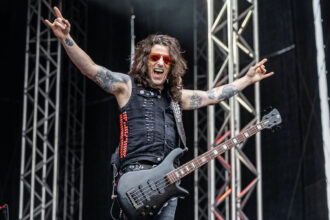
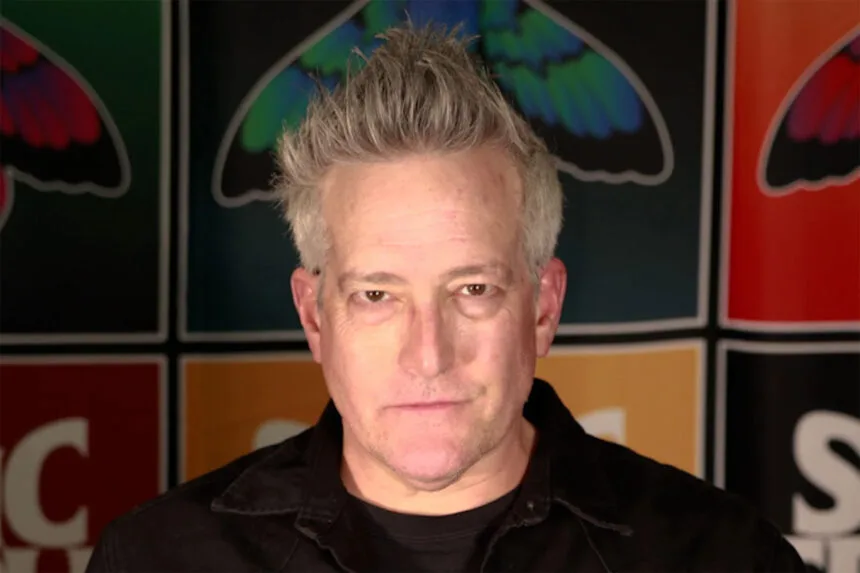
Filter frontman Richard Patrick recently opened up about the risks artists face when speaking out politically. He shared his personal experience in an interview published by Rocking With Jam Man.

When asked whether artists have a responsibility to use their platforms to express their political views, Patrick gave a candid and deeply personal response. He revealed that he has been forced to silence himself after receiving death threats.
“No, I think it’s a personal choice, obviously, if someone wants to use their platform politically,” he said. “But guys like Bono and Joe Strummer and Bruce Springsteen and Tom Morello and Robert De Niro, and people that speak out against the Trump administration, I think they’re incredibly brave. I’ve received death threats.”
Patrick went on to explain why those threats have directly impacted his willingness to speak out publicly.
“So that’s why I’ve kind of silenced myself, because I don’t want… I have kids and… I was doxed, and there was a whole bunch of shit that went down that I don’t want to really talk about,” he continued. “So I’ve kind of had to shut up because I can’t really… You know Filter’s a big band and we’ve traveled the world over, but I can’t afford 24-hour security and that’s what Bono and Bruce Springsteen, luckily they have that. Because the death threats are real. You have to take them seriously.”
He also described how easy it has become for people to issue threats anonymously online.
“And it’s so easy to make them, you start up a fake account on Instagram, you DM me that you’re going to kill my family and now that’s a threat, and so I have to worry about that,” he said. “And I have friends in the FBI and stuff like that. So I feel protected, but yeah being outspoken is a dangerous thing these days, which is really sad. That’s really one of the things that pisses me off about this world we live in.”
Patrick concluded by reflecting on the broader consequences of simply having a political opinion in today’s climate.
“People want to say how they feel and they’re criticized for it by the other side, whether it’s right or wrong, you know?” he said. “And in my case getting death threats, and horrible things getting said about my kids online, there’s a whole litany of things I could go through and tell you about. But the repercussions of just having a political opinion is a dangerous thing these days.”
Patrick’s comments reflect a tension that has long existed in rock music — between the tradition of political expression and the very real personal costs that can come with it. His experience places him among a growing number of artists who have found that speaking out carries consequences extending well beyond public criticism.
Filter was founded by Patrick in Cleveland, Ohio in 1993, following his departure from Nine Inch Nails, where he served as a guitarist. The band broke through with their 1995 debut album Short Bus, which featured the platinum-certified single “(Can’t You) Trip Like I Do.” They later achieved mainstream success with “Take a Picture” from the 1999 album Title of Record. Over the course of more than three decades, Patrick has remained the band’s driving creative force, steering Filter through numerous lineup changes and stylistic evolutions.
Patrick has never been a stranger to controversy or outspoken commentary. Throughout his career, he has been vocal about personal struggles, including his well-documented battles with substance abuse. That same willingness to be candid about difficult subjects has extended into his political views, making his decision to self-censor all the more striking for those familiar with his history.
The phenomenon Patrick describes — artists being silenced through intimidation rather than debate — has become increasingly visible across the entertainment industry. Doxing, the practice of publicly exposing someone’s private personal information to expose them to harassment, has been weaponized against public figures across the political spectrum. Musicians have not been immune. The tactic is particularly effective against artists who do not have the financial resources to invest in round-the-clock personal security, unlike major stadium-level acts.
Patrick’s reference to artists like Bono, Bruce Springsteen, and Tom Morello underscores a class divide within political activism in music. Those with the largest platforms and the greatest financial resources are often the ones most able to sustain public political positions. Mid-level artists — even those with decades-long careers and global fanbases — are left far more exposed. For Patrick, that disparity is not abstract. It is the direct reason he has chosen to step back from public political discourse.