


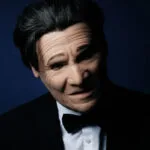




Don Felder recently opened up about the pressure the Eagles faced following their iconic album “Hotel California.” He shared insights from bandmate Glenn Frey in an interview with Guitar World.

When asked about whether the Eagles felt pressure to follow up “Hotel California” with a great album, Felder recalled a memorable warning from his late bandmate.
“I think Glenn [Frey] said it best when he said we ‘created a monster with Hotel California, and it ate us,'” Felder said.
The guitarist went on to explain the band’s relentless pursuit of perfection that followed their breakthrough success.
“We were trying to get back up over the bar because we had raised the bar every album with the songwriting, performance, vocals and guitars,” he continued. “It was more and more refined toward being spotlessly perfect.”
The comments shed light on the creative challenges the band faced after achieving massive commercial and critical success with one of rock’s most celebrated albums.
Felder’s revelations about the band’s internal struggles reflect deeper tensions that would ultimately contribute to the Eagles’ temporary dissolution and his eventual departure from the group.
The pressure to match “Hotel California’s” success created significant friction within the band, particularly between Felder and Frey. Guitar Player reported that tensions often spilled over into personal confrontations, including a notable incident during a 1980 concert event for Senator Alan Cranston where Frey threatened Felder backstage.
These behind-the-scenes conflicts persisted throughout the band’s career and eventually led to Felder’s dismissal from the Eagles in 2001. Wikipedia documented that his departure resulted in legal battles over wrongful termination and royalties, highlighting the complex business relationships that had developed within the group.
The strained relationship between the two musicians never fully healed, despite their shared musical legacy. Far Out Magazine noted that Felder expressed regret that he and Frey never reconciled before Frey’s death in 2016, underscoring the lasting impact of their professional and personal conflicts.
The Eagles’ pursuit of perfection that Felder described ultimately came at a significant cost. It transformed creative ambition into destructive internal competition that would define much of the band’s later history.


