



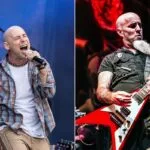


Dennis Dunaway, founding member of the Alice Cooper band, recently opened up about feeling betrayed when Alice Cooper left the group. He shared his perspective in an interview with Classic Album Review.

The bassist discussed the emotional impact of the band’s breakup and how communication was severed between the original members and Alice Cooper.
When asked if he felt Alice Cooper’s departure was a personal betrayal, Dunaway revealed his initial disbelief and sense of abandonment.
“Yeah, I didn’t believe it was happening. I was in denial for a long time because I thought, are you kidding? We’re best friends, you know,” Dunaway said. “Alice wouldn’t do that to us.”
He also expressed disappointment with their manager’s role in the situation.
“And Shep Gordon (manager) is our friend. He wouldn’t do that to us, you know, and everybody’s like, well, it’s happening,” he continued. “I think Glenn was the first to see it.”
Dunaway described how the communication breakdown made the situation even more difficult for the remaining band members.
“At first, the problem was our communication was cut off. When we were trying to get Alice to, hey, we’re working on this Battle Axe show and we’ve got these ideas for the stage and we’ve got all these songs, you know, come on, come on out or we’ll come there or whatever needs to be done,” he explained. “And we couldn’t get a phone call through. So, and that lasted for I think a couple of years where I had no contact information for Alice.”
Despite the unresolved nature of the breakup, Dunaway noted that the band members avoided addressing the issue directly.
“Even though we never really addressed the breakup, somehow it seemed like we were always having so much fun, nobody wanted to open up that can of worms to spoil it,” he said.
Dunaway’s comments shed light on one of rock music’s most significant band splits. The split occurred at the height of Alice Cooper’s commercial success in the mid-1970s.
Wikipedia documented that Dunaway was part of the original Alice Cooper lineup formed in 1964. The lineup also included Alice Cooper (Vincent Furnier), Glen Buxton, Michael Bruce, and Neal Smith. This original group was instrumental in defining the band’s theatrical style and hard rock sound that shaped their success in the early 1970s. The band’s innovative approach to shock rock and theatrical performances made them pioneers in the genre.
The original Alice Cooper band achieved massive commercial success before the split. Wikipedia noted that they released several platinum albums including “Love It to Death” (1971), “Killer” (1971), and “School’s Out” (1972). Their theatrical live performances featured elaborate stage props, costumes, and Alice Cooper’s dramatic persona. These performances revolutionized rock concerts and influenced countless artists who followed.
In a remarkable turn of events, Blabbermouth reported that the surviving original members recently reunited to record their first album in over 50 years. The album is titled “The Revenge of Alice Cooper.” Longtime collaborator Bob Ezrin produced the project. He worked on many of the band’s classic albums from the 1970s.
This reunion represents a significant moment in rock history. It brings together the creative forces that originally shaped the Alice Cooper sound. The collaboration marks the first time in decades that Dunaway, Bruce, and Smith have worked together on new material. This potentially heals some of the wounds left by the original breakup that Dunaway described as such a personal betrayal.