

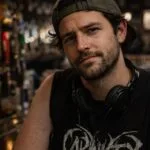

Simon Kirke, drummer of legendary rock band Bad Company, recently opened up about the band’s controversial decision to replace Paul Rodgers with Brian Howe. He shared candid reflections on the period in an interview featured on The Magnificent Others with Billy Corgan.

Kirke acknowledged that the decision to bring Howe into the band was made under difficult personal circumstances. This decision has since become a source of regret for both the drummer and guitarist Mick Ralphs.
“I was coerced. I was doing a lot of drugs and drinking and I wanted to tour. I wanted to continue [Bad Company’s] name. And we did. I mean, we sold millions of albums with Brian, but it kind of tarnished — I think it tarnished the reputation a little bit,” Kirke said.
The musical direction of the band shifted significantly during the Howe era. It moved away from the band’s blues roots toward a heavier metal sound—a change Kirke now regrets.
“The whole direction of the band kind of skewed away from the blues, [and] became more heavy metal… It was a period which I do regret. And I’ll put my hand up and say, me and Mick [Ralphs] kind of made a knee jerk decision and we took this guy on board,” he explained.
Chemistry issues between Howe and the rest of the band became apparent almost immediately. Kirke revealed that these tensions worsened over time. “I was hoping that that piece of the jigsaw, Brian Howe would fit with the other three [members]. It wasn’t there from the get-go and it didn’t — it kind of got worse as the years went by,” he said.
The decision to part ways with Howe was mutual, though the circumstances remain disputed. Kirke emphasized this point while acknowledging Howe’s good intentions. “We asked him to leave. He’d say he left, but we did ask him to leave. And It’s a shame because I know that his heart was in the right place,” Kirke concluded.
Kirke’s recent comments shed light on a pivotal but contentious chapter in Bad Company’s history. Brian Howe replaced Paul Rodgers as Bad Company’s lead singer in 1986, according to Wikipedia. This marked a new era for the band that lasted until about 1994. Rodgers had left to pursue other projects, including the supergroup The Firm, leaving a significant void in the band’s lineup.
Atlantic Records and connections through Foreigner’s Mick Jones influenced the recruitment of Howe. The goal was to revive Bad Company’s commercial success through a more pop-rock and AOR style distinct from Rodgers’ blues-rock foundation. This strategic shift reflected the changing landscape of rock music in the late 1980s, though it would prove divisive among longtime fans and band members alike.
Bad Company released several commercially successful albums during the Howe era. Now Spinning notes that the band released Dangerous Age (1988) and Holy Water (1990), which sold well in the US. These albums reinvigorated the band with a fresh sound fitting the late 80s and early 90s rock scene. Despite internal tensions and mixed feelings within the band, Howe remained the frontman for four studio albums and extensive tours, contributing significantly to Bad Company’s later commercial revival during a period when the original lineup had disbanded.
The legacy of the Howe era remains complicated. In 2025, the Rock & Roll Hall of Fame inducted the original Bad Company members but notably excluded Brian Howe, as reported by 96K Rock. This sparked controversy among fans and industry figures because of Howe’s pivotal role in sustaining the band during a critical period. Howe, who passed away in 2020 at age 66, had often expressed frustration that his contributions were overshadowed by the original lineup’s legacy. This highlights the ongoing disputes about recognition and legacy that continue to define this era of the band’s history.


