



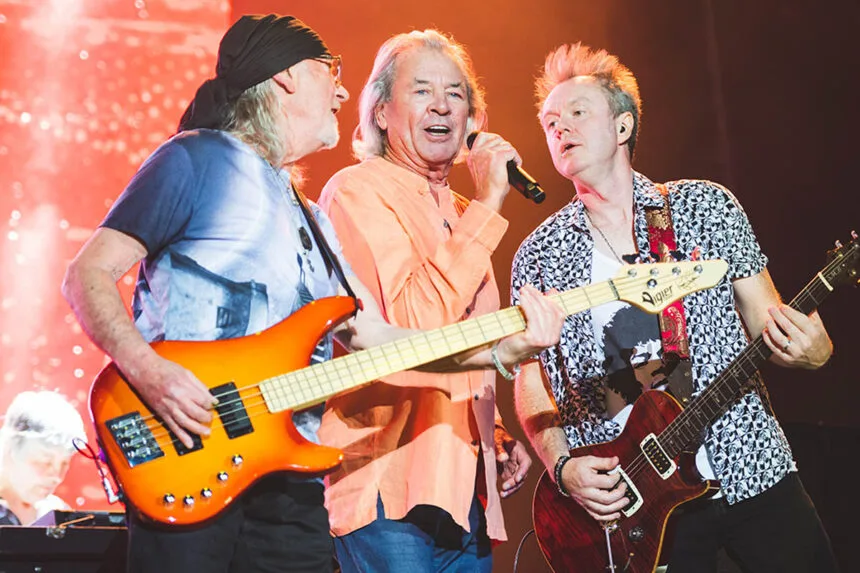
Deep Purple’s decision to postpone all remaining 2026 tour dates following Ian Gillan’s undisclosed medical emergency has raised an uncomfortable question about the band’s future: how much longer can they continue performing, and what would happen if Gillan could no longer take the stage?

Although Gillan has expressed optimism about returning to touring in 2027, the situation presents an opportunity to consider whether Deep Purple might eventually need to take an extended, potentially indefinite break — or even continue without the singer whose voice helped define its legacy.
Gillan’s hospitalization in Leipzig, Germany, on October 31, followed by a medical procedure, forced Purple to postpone its remaining European and UK performances. On November 19, the band extended those postponements to its South American and Mexican concerts, effectively bringing its 2026 touring schedule to an end.
In his statement, Gillan confirmed that he had experienced a medical problem requiring urgent hospital attention and that postponing the shows was necessary because of the “very serious risks involved” in continuing the tour.
The singer nevertheless expressed hope of returning to the road in early 2027, with the band expecting to announce rescheduled performances. Therefore, an indefinite hiatus has not been announced, and it would be premature to interpret the cancellations as the end of Deep Purple. However, the uncertainty surrounding his recovery, combined with the physical demands of international touring, makes a longer break increasingly conceivable.
What Ian Gillan Said About Retirement
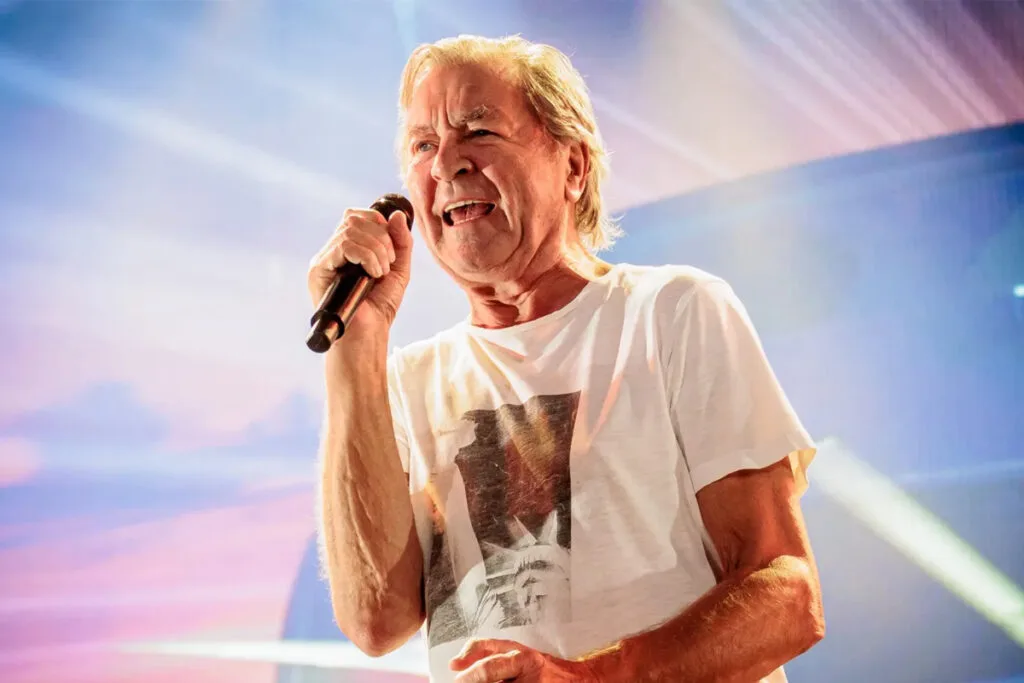
The latest developments have brought renewed attention to Gillan’s previous comments about aging, his health and the possibility of retirement. In a November 2025 interview, the singer acknowledged that the end of Deep Purple’s touring career was approaching, although he emphasized that the band remained enthusiastic about its future.
“Human dignity is gonna be the deciding factor,” Gillan explained, adding, “Once you start going out and embarrassing people with your inability to do what you’ve done all your life, then it’s time to stop.”
Nevertheless, Gillan later clarified his position in a July 2026 interview with The Independent, rejecting suggestions that he had already decided to retire. “What I said was when I felt I didn’t have the strength, then I would retire,” he explained. He also dismissed the idea that his eyesight alone would prevent him from performing, declaring, “I don’t sing through my eyes.”
These statements suggest that Gillan’s retirement decision has always depended more on his physical ability and energy than on his age. His latest medical emergency, however, introduces a new and potentially decisive factor into that equation.
Who Could Replace Ian Gillan If Purple Continued Without Him?
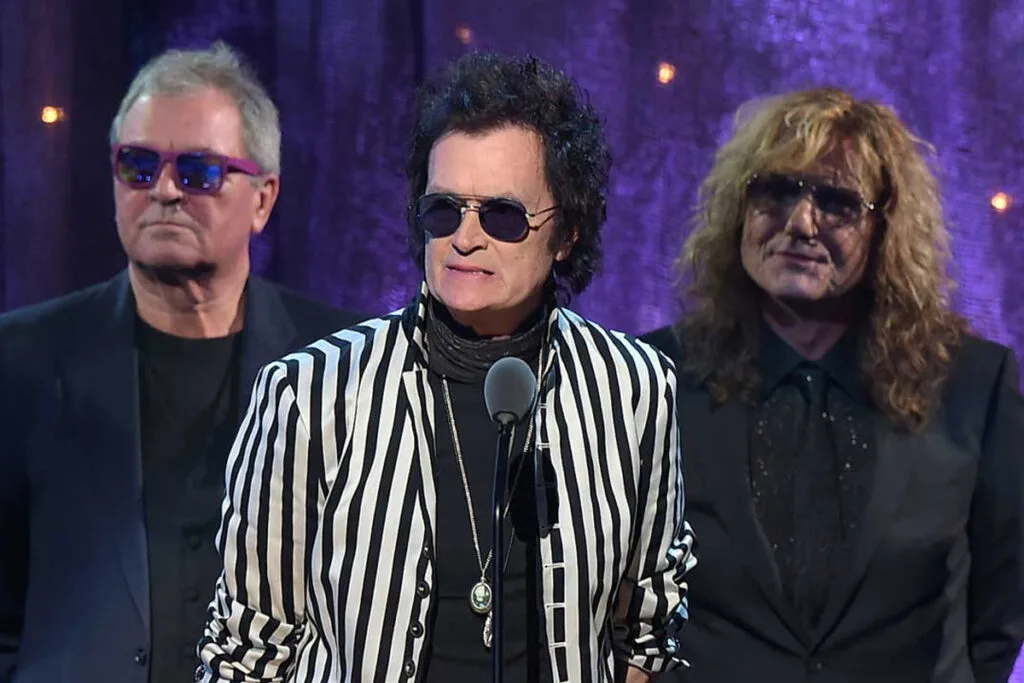
If Gillan eventually decided to retire, Deep Purple would face one of the most consequential lineup decisions in its history. Replacing a vocalist whose performances helped establish the band’s identity during the In Rock, Fireball and Machine Head eras would be an enormous challenge.
There is, of course, a historical precedent. David Coverdale joined Deep Purple in 1973 after Gillan’s departure, sharing vocal duties with Glenn Hughes. Coverdale subsequently established himself as the frontman of Whitesnake, while Hughes also became an important part of Deep Purple’s history. Both names would naturally emerge in discussions about potential successors, although neither should be considered a realistic candidate without an indication of interest or availability. Coverdale announced his retirement in 2025, while Hughes announced his retirement from touring in 2026 ahead of open-heart surgery.
A more contemporary vocalist could offer a different direction, but choosing someone capable of reproducing Gillan’s distinctive delivery, stage presence and connection with the band’s classic material would be difficult. Deep Purple would also have to decide whether it wanted to preserve its established sound or enter an entirely new chapter.
Ultimately, there is no publicly confirmed successor, nor has the band announced any intention to continue without Gillan. Drummer Ian Paice once summarized the importance of the singer to the group’s identity, saying: “Without Ian, Deep Purple is not the same.”