

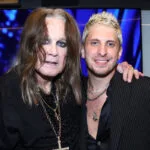





Dee Snider recently commented on the fragmentation within the metal community, addressing the issue in a statement shared on X (formerly Twitter).

The statement focused on the importance of unity among metal fans, responding to a fan’s perspective on genre classification. A Twisted Sister fan had written to Snider expressing their view on metal categorization.
“It’s all f*cking Metal to me and it’s either Good or Bad Metal but at the end of the day it’s all Metal to me,” the fan wrote.
Snider agreed with the sentiment and expanded on the broader implications for the metal community.
“Agreed. I feel splitting it into 100 different types of metal only weakens our communities power,” Snider said. “We don’t have to like every kind of metal but we need to support each other. We are way stronger together.”
Snider’s call for unity reflects decades of advocacy within the metal community. The Twisted Sister frontman has long positioned himself as a defender of metal culture and its values, particularly during pivotal moments when the genre faced external criticism and internal divisions.
Metal represents a strong sense of community and unity for fans, especially as a space where outcasts find belonging through a shared passion for music, Louder Sound noted. This perspective has shaped Snider’s approach to addressing fragmentation within the metal scene.
Twisted Sister played a significant role in popularizing glam metal during the 1980s with a theatrical and rebellious style. TeachRock highlighted that the band’s popularity was fueled by MTV hits and anthems that encouraged youth rebellion and togetherness. Songs like “We’re Not Gonna Take It” became cultural touchstones. This legacy of unity through music has remained central to Snider’s philosophy throughout his career.
Snider has demonstrated openness to various metal subgenres beyond his work with Twisted Sister. He has engaged with extreme metal artists, indicating a broader acceptance of stylistic diversity within the metal community. Loudwire reported that Snider believes the community’s shared passion transcends stylistic boundaries. The “walls come down” when fans connect through the music and scene. His willingness to collaborate across subgenres underscores his commitment to breaking down barriers rather than reinforcing them.
Snider’s message today echoes his long-standing defense of metal against both external stereotypes and internal divisions. By calling for solidarity among fans regardless of their preferred metal subgenre, he reinforces the core principle that has defined his career: metal is fundamentally about community, self-expression, and standing together against those who would seek to divide or diminish the culture.


