






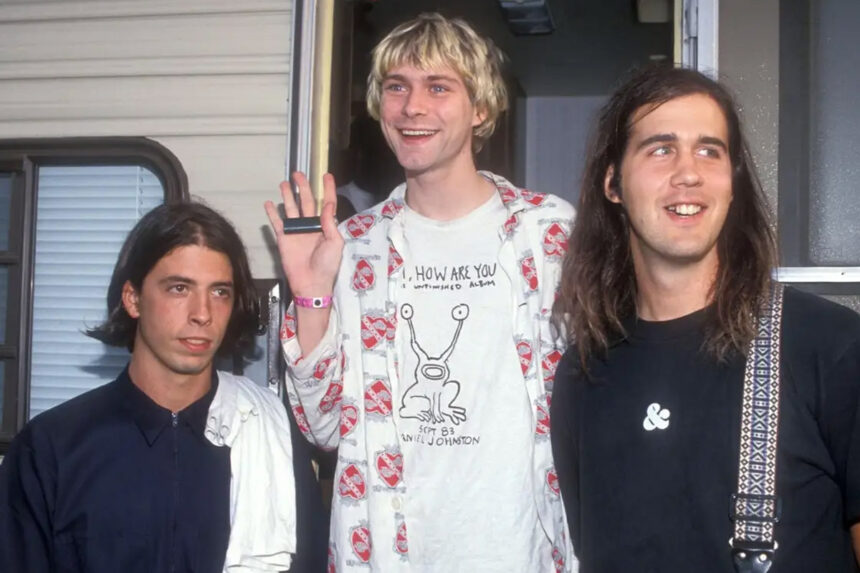
Dave Grohl recently opened up about his struggles with anxiety during Nirvana’s sudden rise to fame. He shared how he coped with the overwhelming experience in an interview with Logan Sounds Off.

The Foo Fighters frontman reflected on how unprepared the band was for Nirvana’s massive success and the psychological impact it had on the young musicians.
“We didn’t think that it would be as popular as it became. But I knew that the songs were so good. Kurt [Cobain] wrote amazing songs. His voice was so amazing and as a band we made this crazy noise and so I knew that it was special but I didn’t really think anyone else would understand the way that we did,” Grohl said.
“So when it became hugely popular it kind of freaked us all out. We were not expecting that to happen and it’s a lot to deal with. We were young too. I think I was 22 years old and I didn’t have much life behind me at that point. So yeah, it kind of freaked us all out.”
Grohl described how the band’s growing fame began to affect his mental health and performance anxiety.
“It got to the point where I would have anxiety. The shows were getting bigger and I was nervous about that. Crazy shit was happening – shows were turning into riots,” he continued.
The drummer revealed his coping mechanism for dealing with the overwhelming pressure of fame.
“Whenever I had that anxiety or felt uncomfortable with it I would just go back to Virginia to my mother’s house and I would sleep in my childhood bedroom and hang out with my buddies from high school and be like ‘okay well life is still real.’ Like there’s still real life here,” Grohl explained.
“I think everybody needs that. I think Kurt maybe didn’t have that and being the front person of the band he really did bear the brunt and responsibility of whatever it was. That could be difficult for anybody, especially at a young age. But I’ve always kind of relied on that.”
Grohl’s candid revelations about his mental health struggles during Nirvana’s peak years provide insight into the darker side of sudden fame. They also reveal the different ways band members coped with unprecedented success.
The anxiety Grohl experienced was part of a broader pattern of mental health challenges that plagued the band during their meteoric rise. After Nirvana’s Nevermind exploded in 1991, Grohl has described experiencing debilitating panic attacks and feeling overwhelmed by the spotlight pressure. He has spoken about fearing he would “die” from anxiety. This reflected the band’s rapid transition from obscurity to global stardom.
The pressure that Grohl referenced regarding Kurt Cobain proved to be tragically prescient. As the band’s frontman and primary songwriter, Cobain bore the heaviest burden of fame and public scrutiny. This immense pressure contributed to his struggles with heroin addiction and ultimately his death by suicide in 1994. Grohl has reflected on how he coped differently than his bandmate. He avoided similar self-destructive patterns while dealing with survivor’s guilt in the aftermath.
Over the years, Grohl developed various coping mechanisms beyond his childhood bedroom retreats. He sought professional help and maintained sobriety to manage anxiety triggers. Physical outlets like running and exercise became core routines for releasing tension. Most significantly, he channeled his trauma and emotions into music creation. He formed Foo Fighters as both an artistic outlet and a way to process his experiences with Nirvana.
Team Coco reported that Grohl has continued to discuss these experiences in various forums. This includes a recent appearance on Conan O’Brien’s podcast where he reflected on the tense creation of Nirvana’s In Utero album amid mounting band pressures. These ongoing conversations demonstrate Grohl’s commitment to mental health awareness and his willingness to share his experiences to help others facing similar challenges.


