




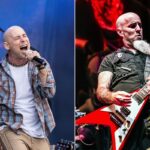


Blink-182’s Mark Hoppus has opened up about his cancer struggle, revealing the harsh realities of his treatment experience in a candid interview with The Guardian.

The bass player and singer discussed his battle with cancer and the brutal chemotherapy treatment he underwent. When asked a particularly direct question about his survival, Hoppus provided a remarkably honest response about his experience.
“I am very surprised I’m not dead,” Hoppus said. “When I was diagnosed, my doctor said the good news was there was only one treatment for the type of cancer, so I didn’t have to agonize over whether to choose radiation or surgery or try an experimental drug.”
The musician went on to describe the severity of his treatment and the odds he faced.
“The only treatment was R-CHOP chemotherapy, but it was still the worst chemotherapy you can undergo, and my doctor said, ‘You only have a 60% chance of living through this and never having to deal with it again,'” he continued.
Hoppus also detailed the physical toll of the chemotherapy process.
“Chemotherapy feels like you’re being crushed,” he explained. “They give you a massive dose of steroids – the same steroids they give me when I lose my voice on tour – but instead of one or two pills, I was on a packet a day, which would send me hyper-crazy. Then, when they give you the actual drugs, you can feel them burning the cancer cells out of your body, like you’re on fire from the inside.”
Hoppus’s battle with cancer first became public knowledge in 2021. This marked a challenging period for both the musician and his fans worldwide.
Moffitt Cancer Center reported that Hoppus was diagnosed with diffuse large B-cell lymphoma, a type of non-Hodgkin’s lymphoma that affects the immune system. The diagnosis came as a shock to the punk rock community, as Hoppus had been a central figure in the genre for decades through his work with Blink-182.
During his initial treatment period, Patient Worthy documented that Hoppus experienced severe side effects from his chemotherapy regimen. His white cell count dropped significantly after treatment. This left him immunocompromised and required extreme caution to avoid infections. The musician had to isolate himself and take extensive precautions during his recovery process.
The R-CHOP chemotherapy protocol that Hoppus underwent is considered one of the most intensive cancer treatments available. Medical experts at Moffitt noted that this treatment is highly effective for his type of lymphoma. However, it comes with substantial physical and emotional challenges, including what patients commonly refer to as “chemo brain” – cognitive difficulties that can persist during and after treatment.
Throughout his cancer journey, Hoppus maintained transparency with his fans, sharing updates about his condition and treatment progress. His openness about the brutal realities of cancer treatment has helped raise awareness about the disease and provided support to other patients facing similar battles. The musician’s survival and continued recovery serve as a testament to both medical advances in cancer treatment and the importance of early detection and aggressive intervention.


