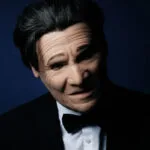






The Police drummer Stewart Copeland recently opened up about the psychological challenges of fame and celebrity worship. He shared his insights on the isolating effects of rock stardom in an interview with The Age.

Copeland discussed the unique experience of musicians and the social disconnect that comes with fame. He described the phenomenon he calls “social vertigo.”
“I think musicians in general experience otherness. We are not like other people. If you have success as a musician, you become a rock star and there’s a sense of otherness that just is a part of that,” Copeland said. “You walk into a room, you don’t know a single person in there, but they all know you. There’s kind of a social vertigo. Your words ring too loud. You’ve got a neon sign on you all the time. You f— up, it’s going to be in the newspapers.”
The drummer reflected on conversations he’s had with fellow musicians about the challenges of maintaining normalcy while living in the public eye.
“I’ve talked to everyone from Carly Simon to Gene Simmons to John Lydon. What happens when suddenly you’re not just a normal person, you’re larger than life, but you’ve still got to put your pants on in the morning?” he continued.
Copeland explained how celebrities often resort to creating barriers as a defense mechanism. This can lead to further isolation.
“You need to put up a wall. That’s the instinctive thing. And of course, you’ve got your old friends, so you’ve gotta give them keys to the castle, but so often people are isolated,” he said. “You’re tempted to be ungrateful! We’re getting what we wanted, and we should feel blessed for this attention and love, but the weird thing about the human psyche is there is such a thing as too much adoration.”
The musician also addressed the cult-like behavior that can surround rock stars and the paradox of fame’s permanence.
“People go through cultish-type behaviour with regard to rock stars. But we are not gods. For one thing… we’re gonna die. And then when you do, your avatar is actually gonna get a rejuvenating boost and live forever!” Copeland concluded.
Copeland’s reflections on fame come from decades of experience navigating the complexities of celebrity status. His journey began with his early rise to prominence as a founding member of The Police in the mid-1970s.
Wikipedia notes that Stewart Armstrong Copeland was born in Alexandria on July 16, 1952. He became known as the founding drummer and composer for The Police. His early exposure to media attention began when he was just 23 years old. He was already being profiled by Melody Maker for biographical features, marking how quickly public recognition reshaped his identity and daily life.
The psychological challenges Copeland describes have persisted throughout his diverse career. His career extended far beyond his rock star origins. Even as he transitioned into film scoring and orchestral projects, the shadow of his Police persona continued to follow him. The San Francisco Conservatory of Music reported that Copeland has created symphonic reworkings of The Police’s catalog, including “Police Deranged for Orchestra.” This keeps him tied to his rock-star image even in formal concert settings.
This ongoing connection to his band’s legacy illustrates the very permanence of fame that Copeland referenced in his interview. Despite his successful ventures into classical composition and film soundtracks, audiences and media continue to view him primarily through the lens of his rock stardom. The tension between his artistic evolution and public perception exemplifies the “social vertigo” he described. Past achievements create an inescapable identity that follows musicians throughout their careers.
Copeland’s insights into celebrity worship and isolation reflect broader patterns observed among musicians who achieve significant fame early in their careers. His experience demonstrates how the psychological impact of stardom can persist across decades. It influences not only personal relationships but also professional opportunities and artistic expression.